Hot Sleeper or Cold Sleeper? How to Choose the Right Comforter Warmth Level Explained


It’s a familiar cycle of frustration. You’re exhausted, the pillows are fluffed, but ten minutes after tucking in, you feel like you’re sleeping inside a toaster. For others, it’s the dreaded “shiver” you feel the moment you hit cold sheets and wait forever for your own body heat to kick in.
The reason is that each one of us is a different kind of sleeper: hot or cold. Whether you are a hot sleeper or a cold sleeper, the secret isn’t a random blanket; it’s about finding the right comforter that breathes or insulates according to your needs.
This guide explains how to choose the right comforter that keeps you cozy without the midnight sweat or the morning chills, based on your sleep habits.
What is the Best Warmth Level for Your Style?
Match your comforter’s fill to your sleeper type:
- Hot Sleepers: Look for “Ultra-Lightweight” (150-250 GSM [grams per square meter]) with low fill power (300-500) to prioritize breathability and minimal warmth.
- Cold Sleepers: Require “Winter” insulation, found in high-fill-power down (700+) or heavy-duty wool, to trap body heat and prevent cold spots.
Understanding Your Sleep Profile
Choosing the perfect warmth level is a science of balancing your body’s natural “thermostat” against the insulation of your bedding.
The Hot Sleeper is someone who consistently experiences excessive warmth and sweat, waking up throughout the night. If this sounds like you, the struggle to stay cool without feeling exposed is real. You are likely used to keeping one leg out of the covers just to regulate your temperature. If you find yourself flipping the pillow for the “cold side” every twenty minutes, your current comforter is likely trapping heat.
The Cold Sleeper is someone whose body remains cold throughout the night and often feels shivers even when covered in weighted comforters. Cold sleepers often find it difficult to maintain a comfortable body temperature even in a climate-controlled room and suffer from cold hands and feet that just won’t warm up.
How to Choose the Right Comforter Warmth Level
Marketing terms like “All-Season” can be a trap. A hot sleeper will find an all-season comforter far too warm, while a true cold sleeper might find it lacking in the dead of winter.
- For Hot Sleepers: The ideal warmth level is typically “lightweight” or “ultra-light.” These are characterized by a GSM (grams per square meter) of 150-250 and high-breathability natural fills like silk, bamboo, or high-fill-power down. Even though it sounds backwards, you want a higher fill power because those larger clusters breathe better and don’t trap you in a “toaster” as dense, low-quality fills do.
- For Cold Sleeper: The goal is to find a comforter that prioritizes maximum heat retention to kill the “shiver factor” for good. You should look for “Winter Weight” or “Extra Warmth” ratings, typically featuring a much higher GSM (350-450+) and high-fill-power down or heavy wool. This provides the thick, insulating loft needed to trap every bit of your body heat and seal out the midnight drafts.
The Science of Insulation: Fill Power vs. Fill Weight
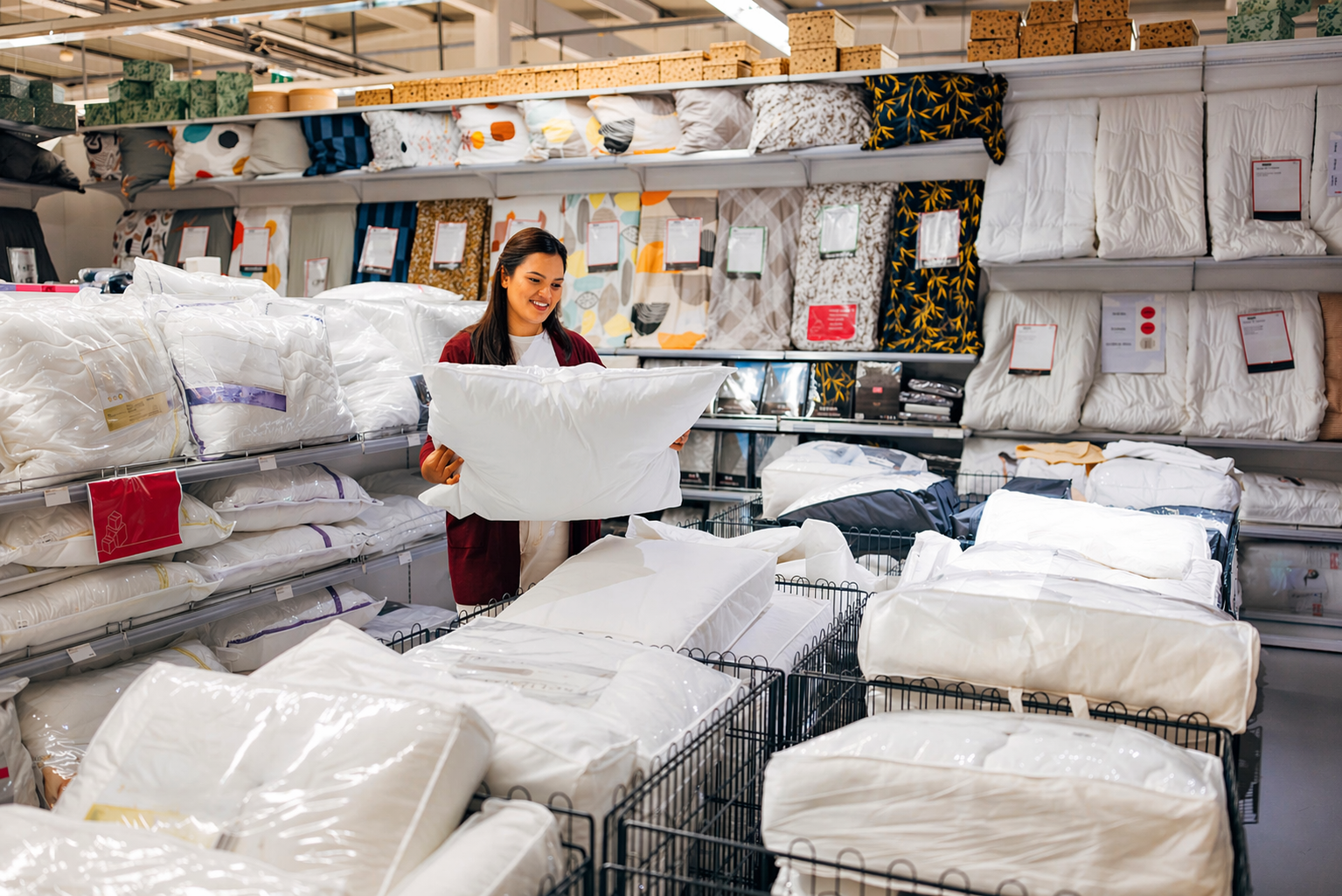
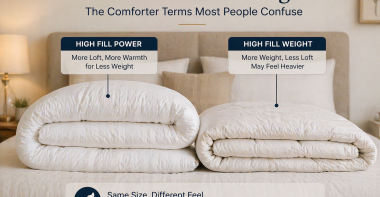
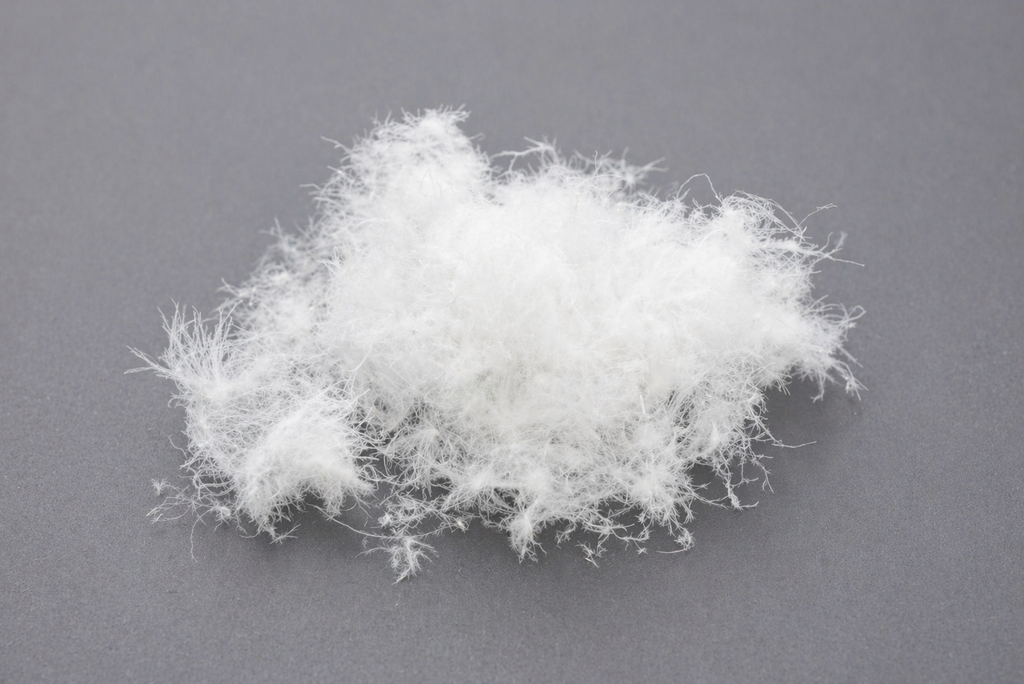
The Fill Power is the “fluff”; the measure of how much space one ounce of down takes up. Because down clusters look like tiny clouds, they trap air, creating insulation; that trapped air is what keeps you warm. A crucial distinction is that high fill power (loft) can actually be cooler if the weight is low because it breathes better.
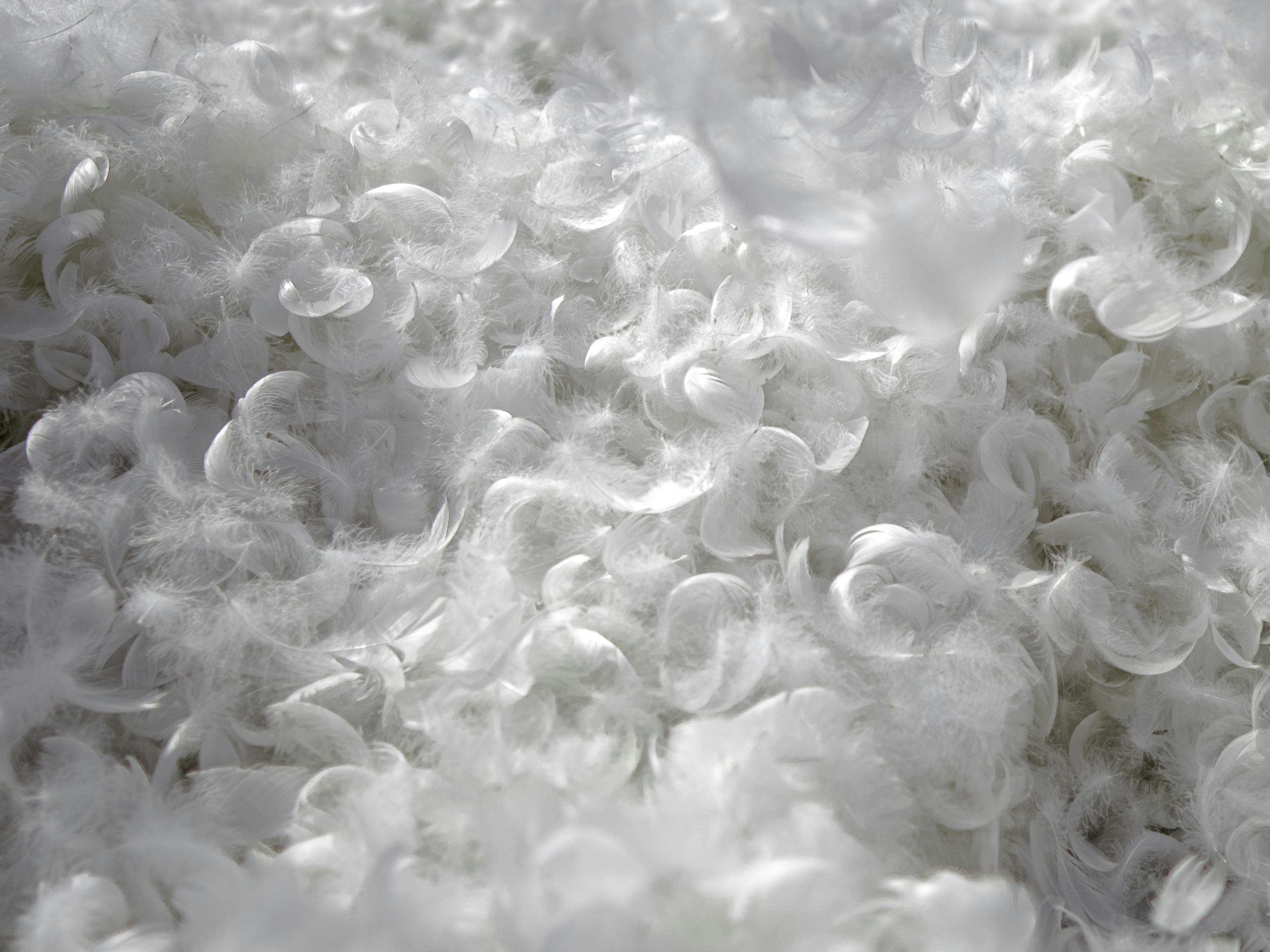
Fill Weight is the physical quantity of stuffing inside. It is a common misconception that more weight always equals more warmth. In reality, weight and warmth are different. Low-quality down requires a much higher fill weight to stay warm, resulting in a heavy, dense blanket that traps humidity like a plastic bag. High fill power achieves warmth with very little weight, providing that weightless, cloud-like feeling.
| Feature | Fill Power | Fill Weight |
| Measurement | Quality & Volume (Loft) | Quantity (Ounces of Fill) |
| Main Benefit | Insulating efficiency | Physical “heaviness” |
| Texture | Airy, bouncy, and soft | Dense, flat, and substantial |
| Best For | Luxury seekers & Hot sleepers | Budget shoppers & Sensory sleepers |
The Science of Breathability: Natural vs. Synthetic
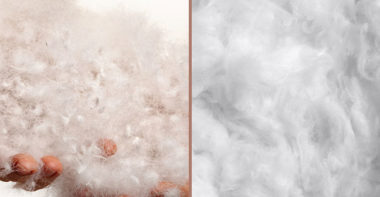
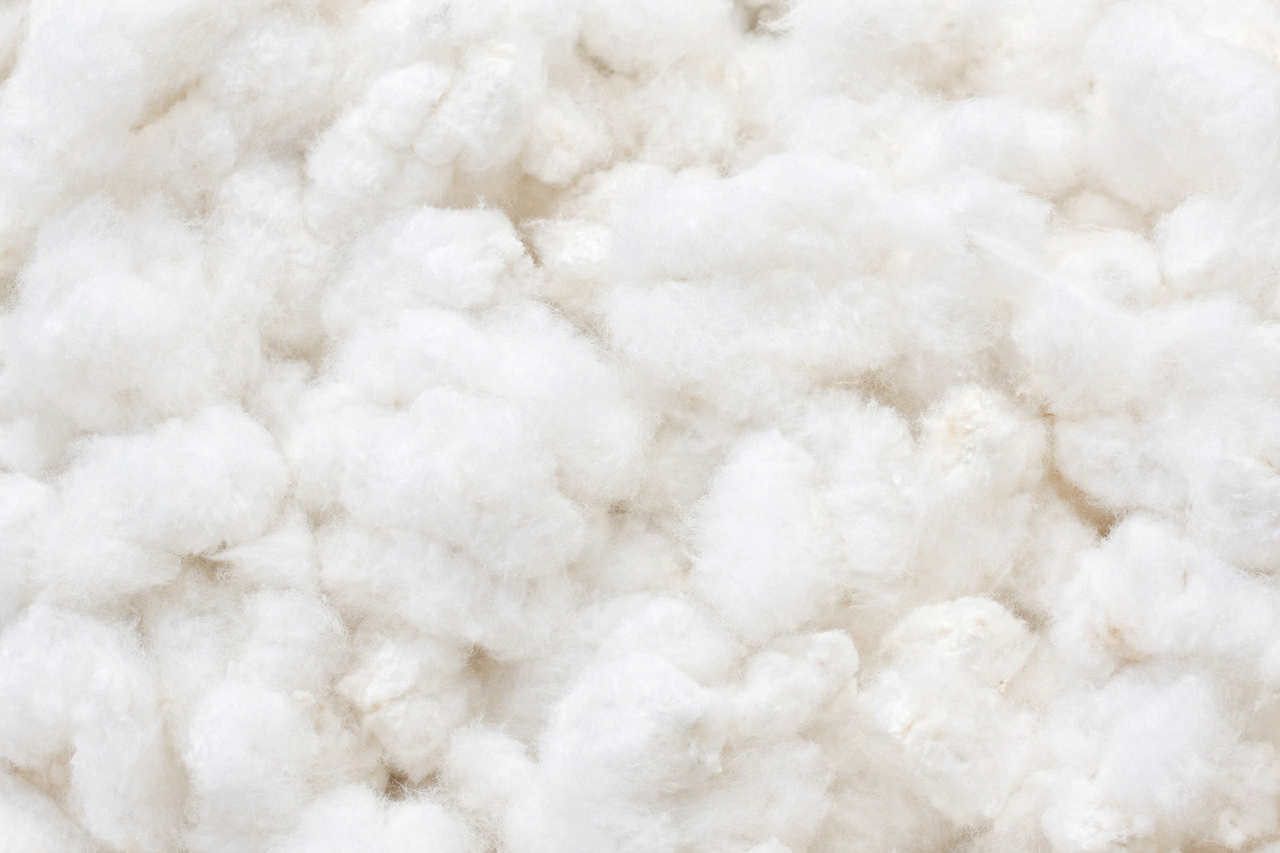
Apart from warmth, comforters’ breathability is another factor that decides a good night’s sleep for hot and cold sleepers. And it depends on the material of filling. Natural materials are generally superior in moisture-wicking, while cheap synthetics often trap heat like a plastic bag.
 |
 |
 |
Natural Breathable Comforters
- Wool: Incredible for heat dissipation. It provides a cozy, weighted feel but wicks moisture to prevent that “clammy” cold feeling.
- Bamboo & Silk: These are top choices for night sweats; they act as natural regulators that feel cool to the touch while keeping the chill away.
- Cotton: Highly regarded for its simple, reliable breathability and durability.
- Best For: Hot sleepers who need to stay dry and Cold sleepers who want warmth without the sweat.
Synthetic Bedding Options
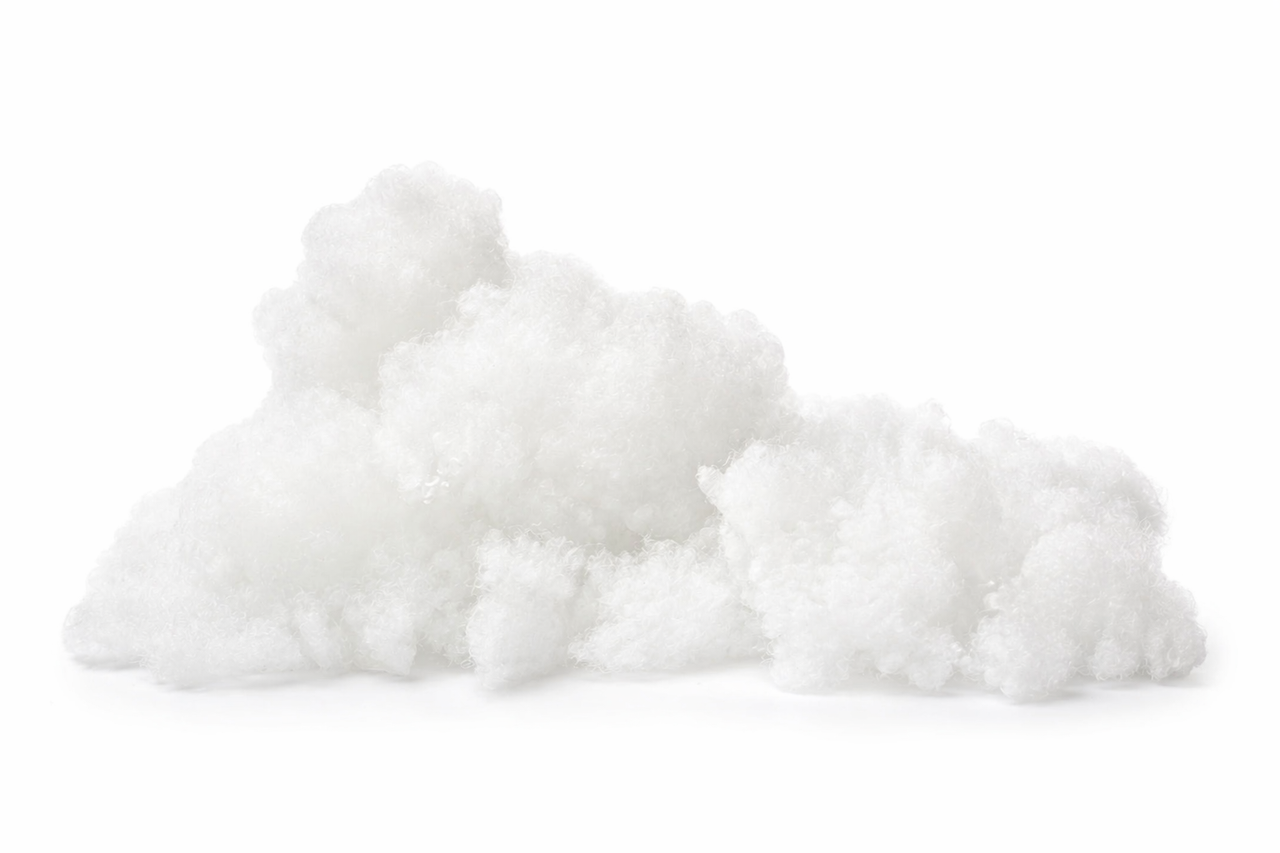
Synthetics are budget-friendly and hypoallergenic—formulated with materials that are unlikely to cause an allergic reaction—but often have a shorter lifespan. They tend to trap heat and humidity, which can lead to sweating.
- Durability: Lower; filling may clump or lose its loft after washing.
- Feel: Can feel more “plastic” and less breathable, trapping humidity against the skin.
- Eco-friendly: Often made from petroleum-based materials.
- Best For: Sensory sleepers who crave a plush, “tucked-in” feel on a budget, or those with severe allergies.
Why Construction and Density Matter
When choosing your bedding, consider how the density and internal structure affect your sleep:
- Density (GSM): High-density comforters are designed to be warmer, thicker, and sometimes heavier. Since synthetic fibers aren’t as efficient as real down, you will need a thicker, heavier comforter to achieve the same level of warmth.
- Baffle Box Construction: Look for “baffle box” stitching, strips of fabric sewn between the top and bottom layers. This prevents the filling from shifting around and creating “cold spots,” ensuring your insulation doesn’t end up at the foot of the bed while you shiver.
The Role of the Duvet Cover
The material of the duvet cover (the “case” for your comforter) matters as much as the filling in regulating your temperature.
- Flannel: Using a flannel duvet cover adds an extra layer of insulation and feels warm the second you touch it.
- Fleece: These are highly effective at trapping a pocket of warm air right against your body.
- Cooling Cotton: For a hot sleeper, a percale cotton cover is essential to allow the comforter’s breathability to actually work, helping you escape that “toaster” feeling.
| Warmth Level | Best For | Recommended Specs | Key Construction & Cover |
| Summer / Ultra-Light | Hot Sleepers (escaping the “toaster” feeling) | 150-250 GSM / Silk, Bamboo, or Cotton / High Fill Power (breathes better) | Baffle Box stitching / Cooling Percale Cotton cover |
| All-Season | Neutral Sleepers (balanced temperature) | 300-400 GSM / Medium Down or Wool | Baffle Box stitching / Standard Cotton cover |
| Winter / Extra-Warm | Cold Sleepers (killing the “shiver factor”) | 350-450+ GSM / 700+ Fill Power Down / Heavy Wool | Baffle Box (prevents “cold spots”) / Flannel or Fleece cover |
Conclusion
Finding the right comforter isn’t about buying the most expensive option; it’s about understanding your own body. Whether you are trying to escape the “toaster” feeling of a summer night or ward off the “shiver factor” by warming up your cold hands and feet, the secret lies in balancing the GSM and the fill power.
By matching your fill material and density to your personal sleep style, you can find a comforter that breathes with you, rather than against you. And Downright is right here to provide you with such. You can finally stop fighting with your blankets and start sleeping soundly, waking up feeling truly rested.
Frequently Asked Questions
Why isn’t a thicker comforter always warmer?
It comes down to the quality of the fill. A thin silk comforter can regulate temperature better than a thick, cheap polyester one that just makes you sweat without holding in heat.
What if you still feel cold after using a warmer blanket?
Try the “sandwich method.” Place a textured, insulating cover beneath you and a heavy comforter above to trap your body heat from both sides, ensuring the “shiver factor” never stands a chance.